Lanzarote Weather & Climate
Lanzarote enjoys one of the most consistent climates in Europe. Warm sunshine all year round, minimal rainfall, and daytime temperatures that rarely drop below 20°C even in the depths of winter. From the mild low 20s of January and February through to the high 20s of July and August, and back down through the warm autumn shoulder season, the island delivers reliable holiday weather in every month of the year.
This is your complete guide to Lanzarote weather and climate, with detailed month-by-month breakdowns covering average temperatures, rainfall, sunshine hours, sea temperatures, UV levels, wind conditions and what to pack. Whether you’re planning a winter sun escape, a summer beach holiday, or looking for the shoulder season sweet spot of warm weather without the peak-season crowds, choose your month from the guides below and find out exactly what to expect on the island.
Lanzarote Weather in January
January on Lanzarote sits about as far from a UK or northern European winter as you can get without leaving the continent.…
Lanzarote Weather in February
Carnival Season, Cool Days and Very Few Crowds February is one of those months that sits under the radar. It’s still officially…
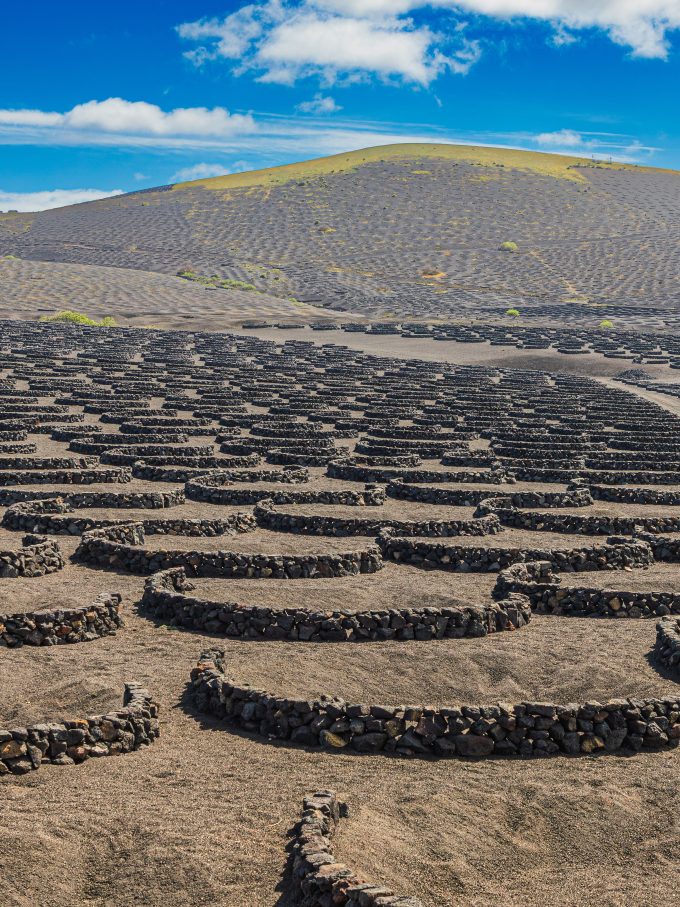
Lanzarote Weather in March
Warmer Days, Spring Arrivals and the Best Walking Month of the Year March is when the island tips out of winter and…
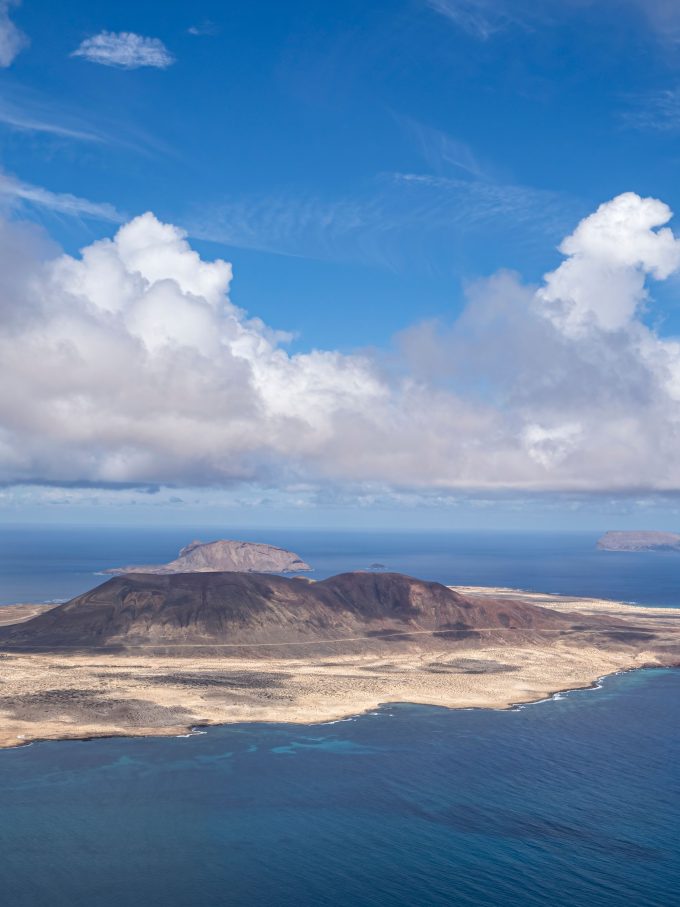
Lanzarote Weather in April
Spring in Full Swing, Easter Crowds and Sea Temperatures on the Rise April is the month when the shoulder season really finds…
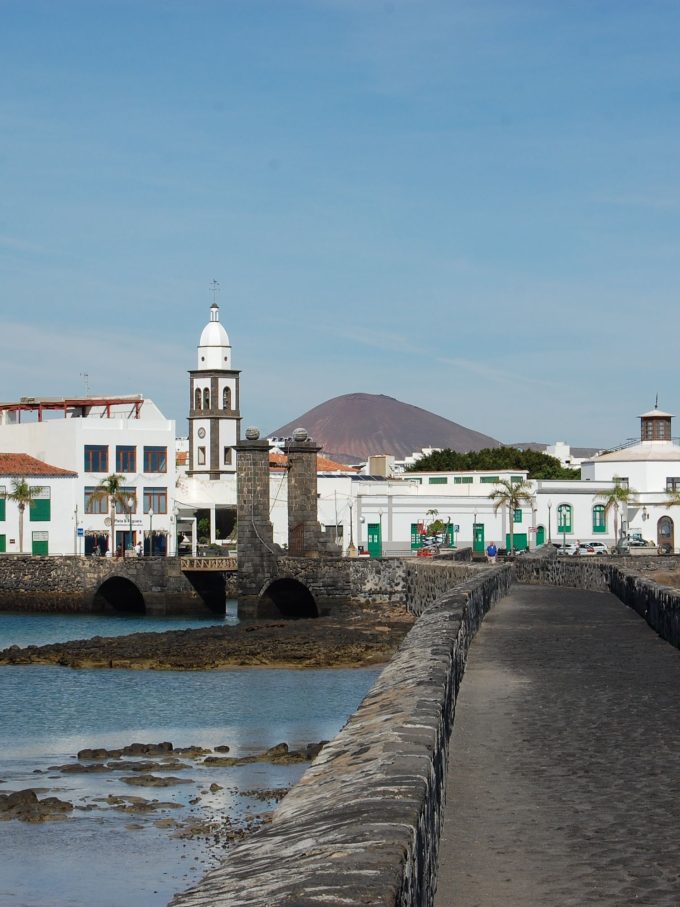
Lanzarote Weather in May
IRONMAN Weekend, the First Real Warmth and Sea Temperatures Climbing May is when Lanzarote genuinely moves into its summer character. Daytime temperatures…
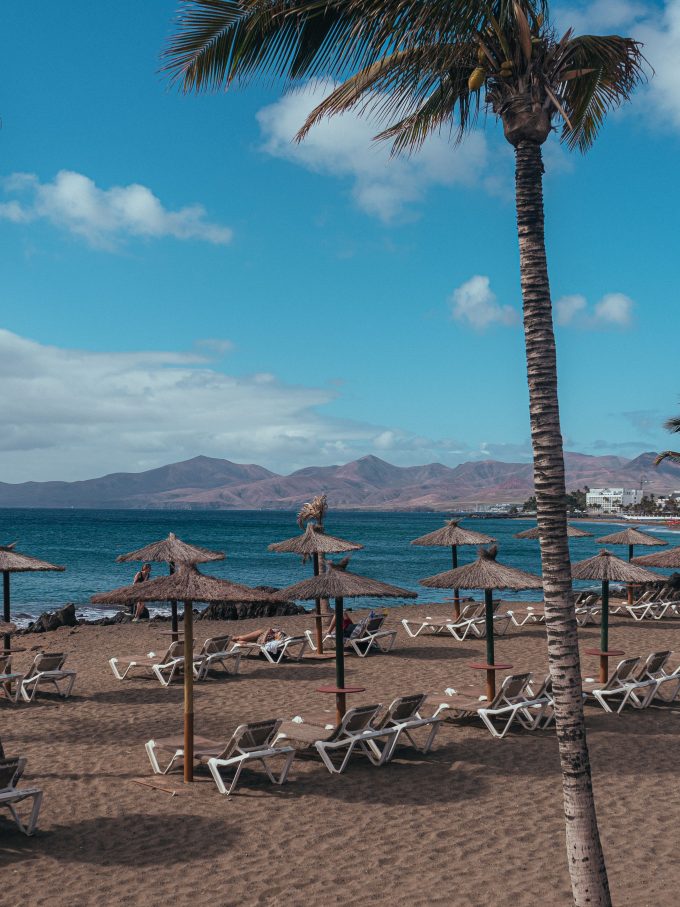
Lanzarote Weather in June
Summer Arrives, Sea Temperatures Turn Comfortable and San Juan Lights the Bonfires June is when Lanzarote crosses fully into summer. Daytime temperatures…
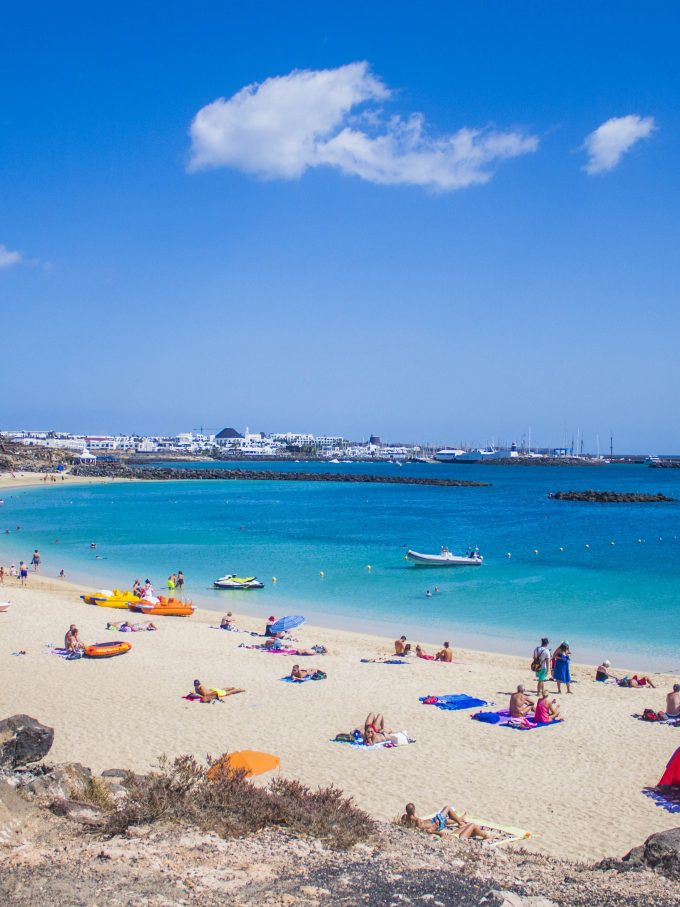
Lanzarote Weather in July
Peak Season Begins, School Holidays Fill the Resorts and the Trade Winds are Noticeable July is peak season on Lanzarote. School holidays…
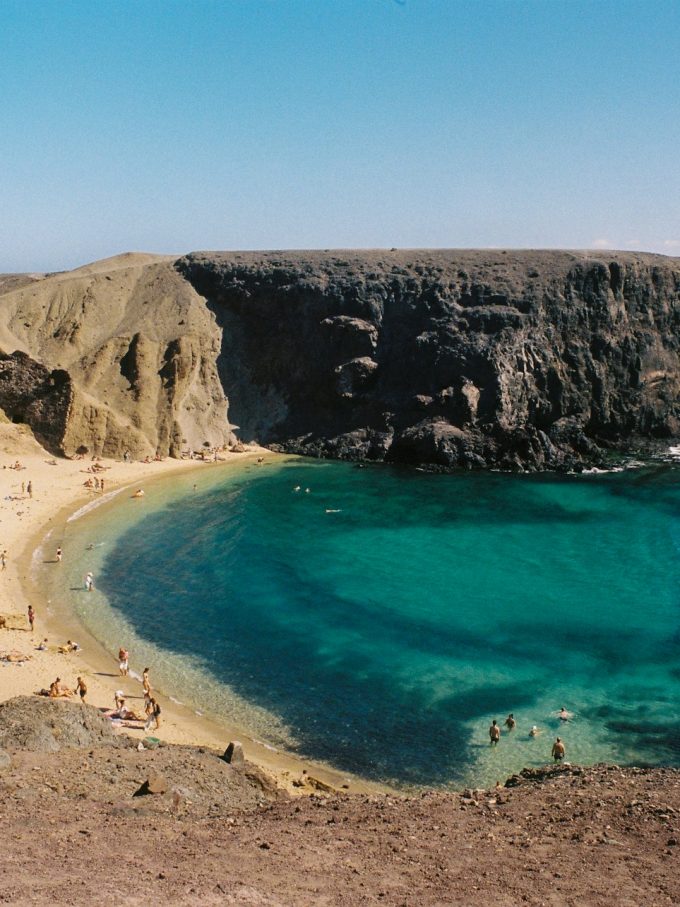
Lanzarote Weather in August
The Hottest Month, Full Resorts and the Fiestas del Carmen August is the peak of Lanzarote’s summer in every sense. It’s the…

Lanzarote Weather in September
Peak Warmth Without Peak Crowds and the Sea at Its Warmest September is the month that regular visitors to Lanzarote quietly rate…
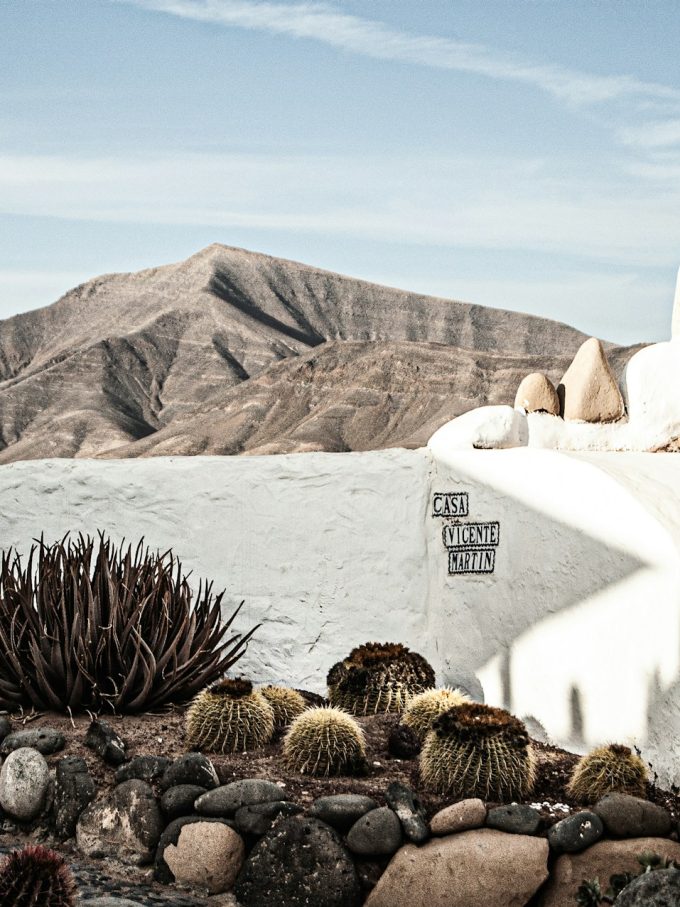
Lanzarote Weather in October
Warm Days, Angel Sharks Return and the Autumn Shoulder Season at Its Best October is one of the quiet favourites among regular…
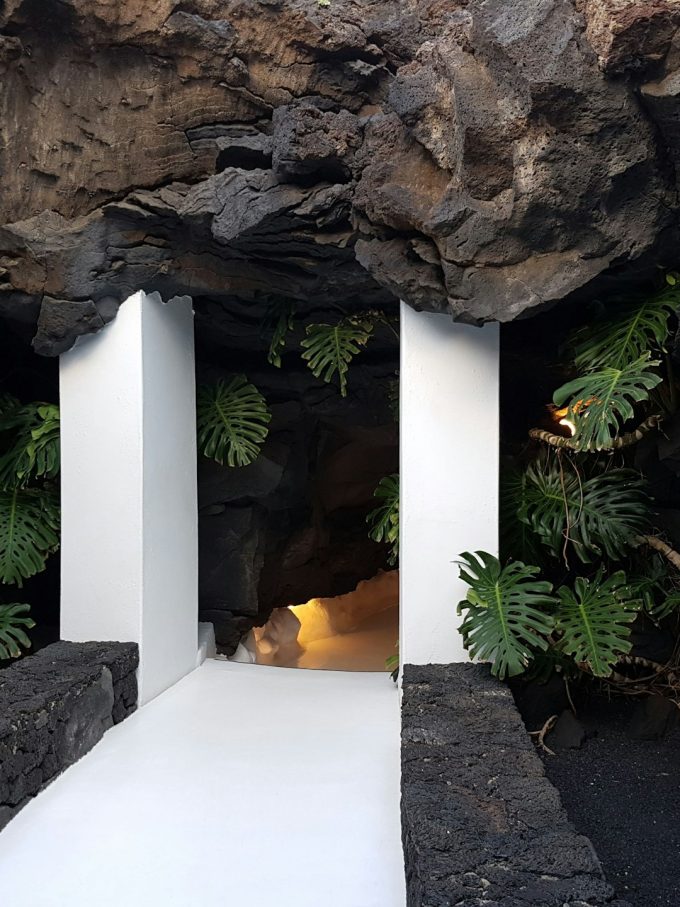
Lanzarote Weather in November
Winter Sun Season Starts, Prices Drop and the Island Empties Out November marks the transition into Lanzarote’s winter sun season. The peak…
Lanzarote Weather in December
Winter Sun, Christmas on the Island and the Three Kings Parade December wraps up the year on Lanzarote with a mix of…
Understanding the Weather in Lanzarote
Lanzarote sits just off the coast of West Africa, roughly 125 kilometres from the Sahara, and enjoys what climatologists classify as a subtropical desert climate. In practical terms, that means warm temperatures, very low rainfall and a huge amount of sunshine spread evenly across the year. The island is the second sunniest in the Canary Islands after Fuerteventura, and because it has no high mountains to trap cloud, it stays clearer and drier than the more mountainous islands of Tenerife, La Palma and Gran Canaria. The result is one of the most stable and predictable climates you’ll find anywhere in Europe.
What makes the weather in Lanzarote so appealing to holidaymakers is the lack of extremes. Summers are warm rather than brutally hot, thanks to the constant trade winds that blow in off the Atlantic and take the edge off the peak temperatures. Winters are mild and dry, with daytime temperatures still comfortably in the low 20s even in January and February. There is no genuine off-season in the way there is across most of mainland Europe. Every month of the year delivers usable holiday weather, which is exactly why the island attracts visitors twelve months a year rather than just through the summer.
Temperatures Throughout the Year
Average daytime temperatures on Lanzarote range from around 21°C in the coolest months of January and February up to 29°C in the hottest months of August and September. Overnight lows follow a similar pattern, dropping to around 14°C in winter and holding at a balmy 22°C during the peak of summer. The narrow spread between the warmest and coolest months, roughly 7 to 8°C across the whole year, is what gives the island its reputation for reliable, consistent weather.
It’s worth remembering that the sun on Lanzarote is considerably stronger than most northern European visitors are used to, even during the winter months. The UV index reaches very high or extreme levels through the summer and remains significant even in winter, so proper sun protection matters all year round. The heat can also feel more intense than the thermometer suggests during a calima, the hot, dry, dust-laden wind that occasionally blows in from the Sahara and can push temperatures above 35°C for a few days at a time before conditions clear.
Rainfall and Sunshine
Rainfall on Lanzarote is remarkably low, averaging less than 150mm across the entire year. To put that in perspective, London receives roughly four times as much. What little rain does fall arrives almost entirely between October and March, usually as short, sharp showers that pass through quickly rather than sustained periods of wet weather. The summer months from June to September are essentially bone dry, with rainfall in July and August often registering at zero. Even the wettest month, December, only averages around 25mm spread across five or six days.
Sunshine is the flip side of that equation. The island averages between six hours of sunshine a day in the depths of winter and ten hours a day at the height of summer, with an annual average of around seven and a half hours daily. Combined with the low rainfall and the clear skies, this makes Lanzarote one of the sunniest places in Europe and a genuine winter sun destination when much of the continent is cold and grey.
The Wind and the Microclimates
Wind is the one weather factor that genuinely varies across the island. Lanzarote is exposed and low-lying, and the north-east trade winds blow steadily for much of the year, particularly through the afternoons and especially during the summer months. These winds are what make the island a world-class destination for surfing, windsurfing and kitesurfing, but they also mean that conditions can differ noticeably from one part of the island to another on the same day.
The south of the island, including the resorts of Playa Blanca and Puerto del Carmen, sits more sheltered from the prevailing northerly winds and tends to be warmer, calmer and sunnier than the exposed north coast. Playa Blanca, at the southern tip, enjoys the most consistently favourable microclimate on the island, which is a large part of why the resort has become so popular. The north coast around Famara, by contrast, catches the full force of the Atlantic wind and swell, which is spectacular for water sports but less ideal for a still, hot day on the sand. When the north is cloudy and breezy, the south can still be warm and clear, so where you stay makes a genuine difference to the weather you experience.
The Trade Winds (Los Alisios)
The trade winds, known locally as los alisios, are the defining feature of Lanzarote’s climate and the single biggest reason the island stays comfortable through the summer. These steady north-easterly winds are generated by the Azores high-pressure system sitting out in the Atlantic, which pushes air down across the Canary Islands in a reliable, near-constant flow. They blow for much of the year but are at their strongest and most persistent through the summer months of June, July and August, typically building through the morning, peaking in the afternoon and easing back overnight. Wind speeds commonly run between 20 and 40 km/h during the summer, with stronger gusts on the exposed coasts.
For most visitors, the trade winds are a genuine blessing rather than a drawback. They are the reason a 29°C day in August feels pleasant on the coast rather than stifling, constantly moving the air and carrying away the worst of the heat. Without them, Lanzarote’s proximity to the Sahara would make the summers considerably harder to bear. The winds also keep the humidity down and the skies clear, contributing to the island’s famously high sunshine figures. The cooling effect is most noticeable along the seafronts and coastal promenades, which is why the resort areas rarely feel as hot as the still, sheltered volcanic interior.
The trade winds are also the foundation of Lanzarote’s world-class water sports scene. The reliable northerly flow delivers the consistent conditions that make Famara one of the best surf and kitesurf beaches in the Canaries, and the bay at Costa Teguise one of the most popular windsurfing spots for learners and intermediates. The same winds that make the north coast a paradise for board sports, however, mean that the exposed northern and western beaches can be genuinely breezy, with sand blowing across the beach and parasols becoming a liability on the windier days. This is why the sheltered south coast resorts of Playa Blanca and Puerto del Carmen tend to be the better choice for a still, hot day on the sand, while Famara and the north draw those looking to get out on the water. Understanding this simple north-south split is one of the most useful things to know when choosing where to stay and what to do on any given day.
The Calima (Saharan Dust Wind)
The calima is the trade winds’ opposite in almost every respect, and one of the more dramatic weather events a visitor to Lanzarote might experience. Rather than the cool, clean north-easterly flow off the Atlantic, a calima is a hot, dry wind that blows in from the east, straight off the Sahara Desert. Because Lanzarote lies just 125 kilometres or so from the African coast, the desert air arrives quickly and carries with it a load of fine suspended dust and sand. When a calima settles over the island, the effect is unmistakable. Temperatures climb sharply, often jumping 5 to 10°C above the seasonal norm and frequently pushing above 35°C, while the sky loses its usual deep blue and takes on a pale, hazy, yellowish-brown tinge. Visibility drops noticeably, distant landmarks disappear into the murk, and the sun can appear as a dull orange disc even at midday.
The dust is the most tangible part of the experience. It settles on everything, coating cars, terraces, sunloungers, swimming pool surfaces and outdoor furniture in a fine film of Saharan sand. The air feels heavy, warm and still, since a calima usually coincides with a break in the cooling trade winds that would otherwise clear it away. Calima events are most common during the summer and autumn but can occur at any time of year, and they typically last anywhere from two or three days to the best part of a week. In recent years, some studies and local observers have noted that calima episodes appear to be becoming more frequent, a trend often linked to wider shifts in weather patterns across the region.
For the great majority of visitors, a calima is simply an unusual and slightly surreal interlude rather than a genuine problem. The heat can be intense and the light distinctly odd, but it passes. The main practical advice during a calima is to stay well hydrated, use sun protection as normal since the UV still penetrates the haze, and keep windows and doors closed to limit the amount of dust getting indoors. Anyone with respiratory conditions such as asthma or COPD, along with the very young and the elderly, should take extra care during the worst of an episode, limiting strenuous outdoor activity and staying inside during the peak of the dust. Spanish authorities issue calima warnings through AEMET when a significant event is forecast, in the same way they issue heat and wind warnings. The reassuring part is that calimas always clear. Once the trade winds return, they sweep the dust back out to sea within a day, the temperature drops back to normal, and the island’s clear blue skies and clean Atlantic air return as though the whole thing had never happened.
When Is the Best Time to Visit Lanzarote?
The honest answer is that there’s no bad time to visit Lanzarote, only different kinds of good. For beach holidays and the warmest sea temperatures, the months from June to October are ideal, with July, August and September delivering hot, dry, reliable summer weather and sea temperatures peaking at around 23°C in September. For walking, hiking, cycling and exploring the volcanic landscapes without the summer heat, the spring months of March to May and the autumn months of October and November are the sweet spot, offering comfortable temperatures and thinner crowds.
For winter sun, the period from December to February delivers mild, dry, sunny weather when most of northern Europe is cold and dark, with daytime temperatures still in the low 20s and the lowest rainfall of anywhere in Europe. The one thing to bear in mind is the school holiday calendar, which pushes prices up and crowds in during Easter, the summer weeks from mid-July to the end of August, the October half-term and the Christmas and New Year period. If you can travel outside those windows, you’ll find better prices and more space at essentially the same weather. Use the month-by-month guides above to plan your trip around exactly the conditions you’re looking for.