Lanzarote Beaches
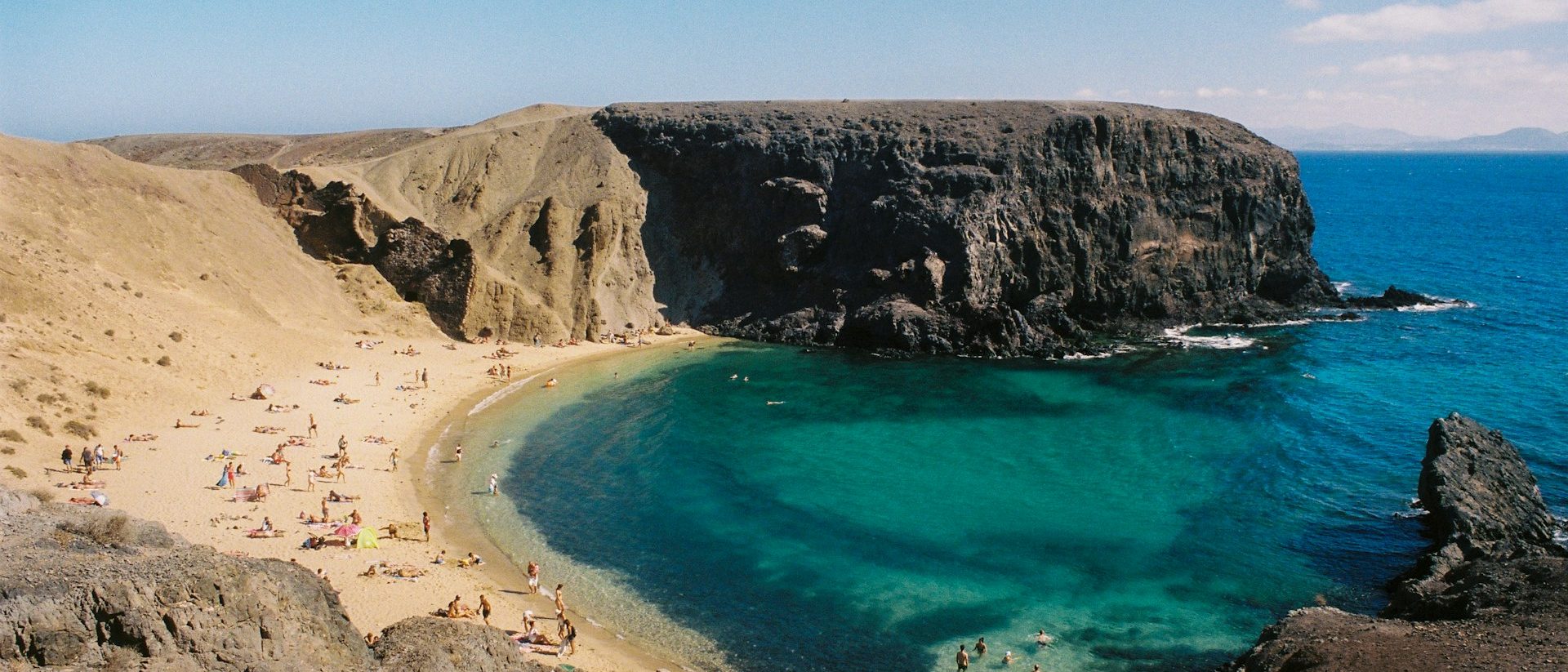
The beaches in Lanzarote are some of the most varied you’ll find anywhere in the Canary Islands. In the space of a small island you can go from the golden sand coves of Papagayo in the sheltered south, to the wild Atlantic surf of Famara in the north, to the calm, family-friendly shores of the main resorts. Black volcanic sand, pale gold bays, protected natural monuments and long resort promenades all sit within a short drive of one another.
Whatever kind of beach day you’re after, there’s a Lanzarote beach that fits. This is your complete guide to the best beaches in Lanzarote, with individual guides covering how to get there, where to park, what the swimming is like, and the practical details that make the difference between a good beach day and a great one. Choose a beach below to get started.
Understanding the Beaches in Lanzarote
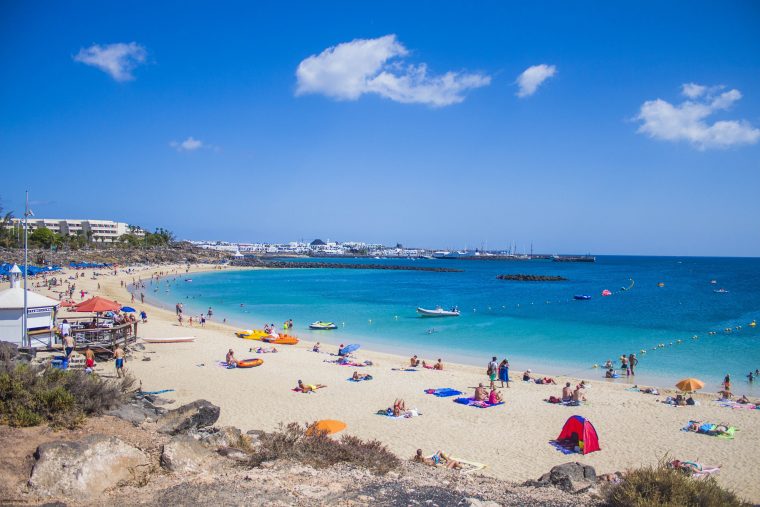
Lanzarote’s beaches divide broadly into three types, and knowing which is which helps you plan your days around the island. In the sheltered south, around Playa Blanca and the Papagayo coves, you get calm, clear water and golden sand, protected from the prevailing trade winds by the low hills and cliffs of the Los Ajaches massif. This is the part of the island for still, swimming-pool-calm bays and family beach days. The resort beaches of Puerto del Carmen and Costa Teguise fall into a similar category, with the added benefit of full facilities, lifeguards, and bars and restaurants a few steps from the sand.
The north and west coasts are a different world entirely. Here the Atlantic arrives with real force, and beaches like Famara stretch for kilometres beneath dramatic cliffs, catching the swell and the wind that make them a magnet for surfers, windsurfers and kitesurfers from across Europe. These beaches are spectacular to look at and thrilling to spend time on, but the currents can be genuinely dangerous, so they demand more respect and are far better suited to water sports than to a lazy family swim.
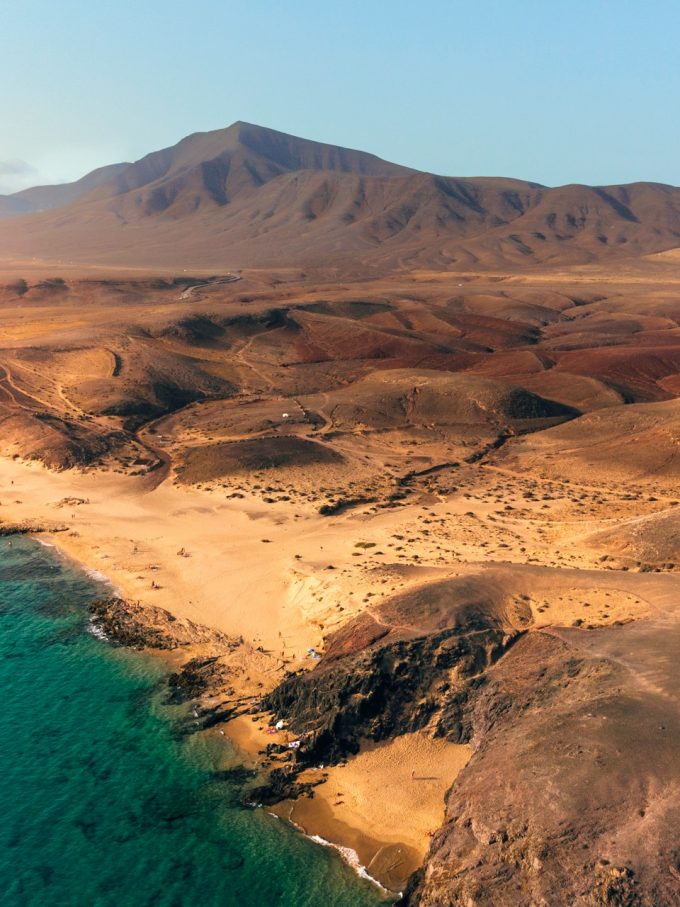
The third type is the volcanic beach, where the sand is black or dark grey rather than gold, a direct result of the island’s fiery geology. El Golfo on the west coast, with its famous green lagoon, and several of the smaller coves around the island offer this dramatic, distinctive landscape that you simply don’t find in most mainstream beach destinations.
Choosing the Right Lanzarote Beach for the Day
The single most useful thing to understand about the beaches in Lanzarote is how much the wind varies from one part of the island to another on the same day. Because the trade winds blow predominantly from the north and north-east, the south coast is almost always calmer and more sheltered than the north. If you wake up to a breezy morning and had your heart set on a beach day, head south to Papagayo, Playa Blanca or Puerto del Carmen, where the hills provide natural protection. If you’re chasing waves and wind for surfing or kitesurfing, Famara and the north coast are where you want to be.
Facilities are the other key consideration. The resort beaches at Puerto del Carmen, Playa Blanca and Costa Teguise have everything on hand: sunloungers, bars, restaurants, toilets, showers and lifeguards through the season. The wilder beaches, above all the Papagayo coves inside the Los Ajaches Natural Monument, have little or nothing, so you need to bring your own water, food, shade and sun protection. Neither is better than the other. It simply depends on the kind of day you’re after, and the beauty of an island this compact is that you can have a facilities-and-cocktails resort day on Monday and a wild, bring-everything natural beach day on Tuesday without ever driving more than half an hour.
Lanzarote Beach Safety and the Flag System
All the main beaches in Lanzarote use the standard flag system, and it’s worth taking seriously because the dangers here are usually invisible currents rather than obvious waves. A green flag means conditions are safe for swimming, yellow means caution and careful swimming only, and red means stay out of the water altogether. The lifeguarded resort beaches are the safest choice for families and less confident swimmers. The north and west coast beaches, particularly Famara, can develop strong currents and powerful shore break that catch people out every year, so if the red flag is flying, respect it however inviting the sea looks. With a little common sense and an eye on the flags, the beaches of Lanzarote are as safe as they are beautiful, and they remain one of the very best reasons to visit the island.