A Guide to Currency, Cards and Costs
Sorting out the money side of a holiday before you go is one of those small jobs that saves a surprising amount of hassle and, more to the point, cash. Lanzarote is an easy place to spend money, thoroughly set up for cards and tourists, but there are a few things worth knowing that can quietly make your trip cheaper: the way you use your cards, the traps to avoid when converting money, how tipping actually works here, and a local tax quirk that makes some things noticeably cheaper than on the Spanish mainland. This guide walks through all of it so you arrive knowing exactly how to handle your money on the island.
The Currency in Lanzarote
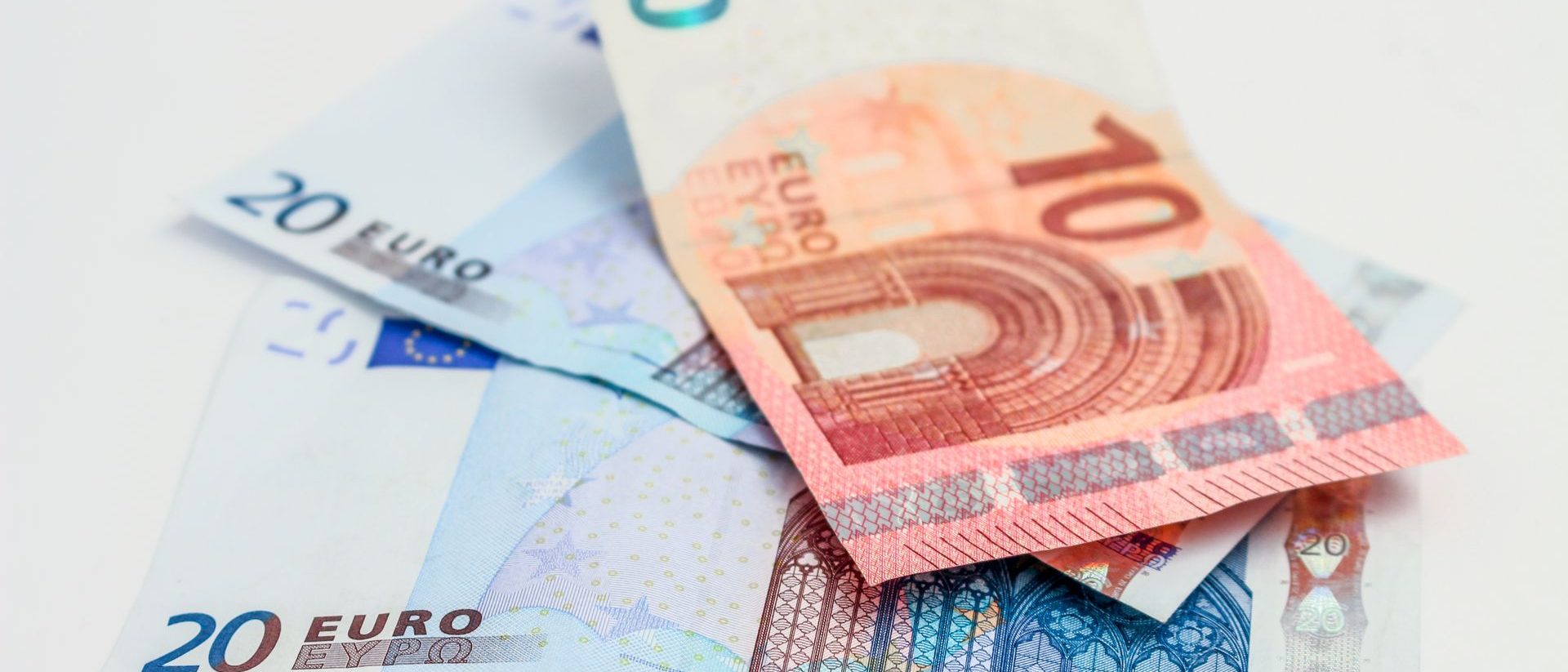
Lanzarote is part of Spain, and Spain uses the euro, so the euro is what you’ll be spending. This catches a few people out, because the Canary Islands sit off the coast of Africa and feel a world away from mainland Spain, but they’re a full part of the country and the European Union, and the currency is exactly the same as in Madrid or Barcelona. Euro notes come in denominations from five up to two hundred, though anything above a fifty is awkward to spend and best avoided, and coins run from one cent up to two euros. If you’re bringing cash from the UK, you’ll be exchanging pounds for euros, and the rest of this guide covers the smartest way to do that.
Using Your Debit and Credit Cards
Lanzarote is very card-friendly. Restaurants, bars, supermarkets, shops, the major attractions, excursion operators and car hire desks all take cards without a second thought, and contactless is widely accepted, including on phones and watches. You could get through most of a holiday on cards alone. That said, it’s worth carrying some cash for the smaller things: a coffee at a village café, the market stalls at Teguise, tips, the odd taxi, and the occasional small business that still prefers notes.

The more important point is how you pay, because the card you use makes a real difference to what your holiday costs. Many standard UK debit and credit cards add a foreign transaction fee of around three percent to everything you spend abroad, plus a further charge for withdrawing cash from an ATM. Spend a couple of thousand euros across a fortnight and those fees quietly add up to a meal out you needn’t have paid for. The simple fix is to set up a fee-free travel card before you go. Several UK banks and app-based providers offer accounts with no foreign transaction fees, letting you spend and withdraw in euros at the real exchange rate. If you travel abroad even occasionally, one of these is well worth having.
Always Choose Euros, Not Pounds
This is the single most valuable money tip for any trip to Lanzarote, and it costs nothing to follow. When you pay by card or use an ATM, you’ll often be asked whether you want to be charged in pounds or in euros. Always choose euros. Choosing pounds hands the currency conversion to the machine or the retailer, who applies a poor exchange rate and pockets the difference. This is called dynamic currency conversion, and it is never in your favour. Picking euros lets your own bank or travel card handle the conversion at a far better rate. The machine will often nudge you towards pounds by showing a scary-looking euro figure alongside a reassuring pound one, but ignore it and select euros every time. It’s a two-second decision that saves real money over a holiday.
Converting Money. Home, Airport or on the Island
If you like to travel with some cash in hand, where you convert it matters. The worst place to change money, without exception, is the airport, whether that’s at your departure airport or on arrival at Lanzarote. Airport exchange desks offer some of the poorest rates anywhere precisely because they’re relying on last-minute convenience, and you’ll typically lose a chunk of your money to the spread. If you want physical euros, order them in advance from a competitive provider at home and collect or have them delivered, which almost always beats the airport comfortably.
Better still for most people is to skip cash conversion largely altogether. A fee-free travel card used to withdraw a modest amount of euros from a bank ATM once you arrive gives you close to the real exchange rate, far better than any bureau de change. Use the bank-branded ATMs (look for the big Spanish banks like CaixaBank, BBVA or Santander) rather than the standalone machines in tourist areas, which sometimes charge their own fees and push dynamic currency conversion hard. Avoid changing money at hotels and independent exchange kiosks in the resorts too, as their rates rarely compete with your own card.
Understanding IGIC, the Local Tax
Here’s a genuinely useful quirk that most visitors never notice. The Canary Islands don’t use the standard Spanish VAT, known as IVA, which runs at 21 percent on the mainland. Instead they have their own lower consumption tax called IGIC, the Impuesto General Indirecto Canario, and the general rate is just 7 percent. Because the Canary Islands sit outside the European Union’s VAT area despite being part of Spain and the EU, they operate this separate, lower-tax system to support the islands’ economy.
What this means in practice is that some goods are noticeably cheaper on Lanzarote than on the mainland or back home, which is why the islands have a long-standing reputation for duty-free-style shopping. Perfumes, cosmetics, spirits, tobacco, electronics, watches and jewellery can all be good value, though it’s worth knowing that certain luxury goods actually carry a higher IGIC rate of 15 percent, and everyday essentials sit lower still, with a reduced 3 percent rate and even a zero rate on some basics. There’s no need to do any mental arithmetic as you shop, since IGIC is already included in the price on the shelf just as VAT is at home. Just be aware that the island’s prices on certain items reflect a genuinely lower tax, so a bit of shopping for the things that benefit can pay off.
One thing to note for anyone hoping to reclaim tax: because the Canaries use IGIC rather than EU VAT, the usual tax-free shopping refund schemes for non-EU visitors work differently here, and it’s not the straightforward VAT-refund process you might find elsewhere in Europe. For the everyday visitor this rarely matters, since the prices are already low, but it’s worth knowing if you’re planning a big purchase.
Tipping in Lanzarote
Tipping culture in Lanzarote, as across Spain, is relaxed and low-key compared with somewhere like the United States. Tips are appreciated but not expected in the same obligatory way, and nobody will chase you down the street if you don’t leave one. Service is generally not automatically added to bills in restaurants, though it’s always worth a quick glance to check, particularly in the more tourist-heavy spots, so you don’t inadvertently tip twice.
As a rough guide, in a restaurant where you’ve had good service, rounding up the bill or leaving around five to ten percent is a generous and perfectly normal gesture. For a casual meal, a coffee or drinks at a bar, simply leaving the small change or rounding up to the nearest euro is completely acceptable. A euro or two per day for hotel housekeeping, a euro a bag for porters, and rounding up a taxi fare are all appreciated but entirely at your discretion. The key thing to understand is that these are genuine thank-yous for good service rather than an expected surcharge, so tip when you feel the service warranted it and don’t feel obliged when it didn’t. Cash is best for tips, even when you pay the bill by card, as it goes directly to the staff.
How Much Money Will You Need?
Lanzarote is generally reasonable value compared with much of western Europe, helped in part by that lower IGIC tax. Exactly how much you’ll spend depends entirely on your style of holiday, but a few reference points help. A coffee is typically well under two euros, a beer or glass of wine a couple of euros in a local bar and a little more in a tourist spot, and a casual two-course lunch with a drink is very doable for fifteen to twenty euros a head. A nicer dinner out will cost more, of course, and the smart marina restaurants at Puerto Calero and Marina Rubicón sit at the higher end. Self-catering visitors will find supermarket prices reasonable, with the large chains like Mercadona and HiperDino cheaper than the convenience shops in the resorts. Excursions, car hire and activities are where the bigger spends come, so budgeting for those in advance is sensible.
A Few Practical Money Tips
A handful of final pointers to keep things smooth. Tell your bank you’re travelling before you go, or use a card that doesn’t need it, to avoid a security block freezing your card on the first purchase. Carry a backup card kept separately from your main one, so a lost or blocked card doesn’t leave you stuck. Keep a small amount of cash for the situations where cards aren’t ideal, such as small bars, markets and tips. Be alert to the usual pickpocket precautions in busy tourist areas, keeping cards and cash secure and not carrying more than you need to the beach. And if you’re withdrawing cash, take out a sensible amount in one go rather than making lots of small withdrawals, since any per-withdrawal fees add up. Get these basics right and money is one of the easiest parts of a Lanzarote holiday to manage.
The Bottom Line
In summary: Lanzarote uses the euro, takes cards almost everywhere, and is straightforward to manage money in. Set up a fee-free travel card before you go, always choose to be charged in euros rather than pounds, skip the airport exchange desks in favour of a bank ATM on arrival, and tip modestly for good service rather than out of obligation. Take advantage of the island’s low IGIC tax on the things that benefit from it, keep a little cash on hand, and you’ll spend your holiday enjoying the island rather than worrying about the cost of every transaction.