Everything You Need to Know Before You Fly to Lanzarote
A good Lanzarote holiday starts weeks before you get on the plane. Not in a stressful, spreadsheet-and-checklist way, but in the sense that a handful of small jobs done in advance will save you money, hassle and the particular sinking feeling of realising at the airport that your passport runs out next month.
This guide walks through everything worth sorting before you travel, from the boring-but-essential paperwork to the practical questions about money, packing, sun protection and drinking water that come up on every trip to the island. Get these sorted and you’ll arrive relaxed, ready to enjoy the island rather than firefighting problems you could have dealt with at home.
Check Your Passport and Its Expiry Date
This is the one that catches people out every single year, so deal with it first. Since Brexit, British passport holders travelling to Spain are treated as visitors from a non-EU country, and there are two separate rules your passport needs to satisfy. First, it must have been issued less than ten years before the date you arrive. This trips up anyone who renewed early in the past and had extra months carried over onto the new passport, because some older documents show an expiry date more than ten years after their issue date. Second, it needs at least three months of validity remaining beyond the day you plan to leave the Schengen area. Not three months from when you arrive, three months from when you leave.

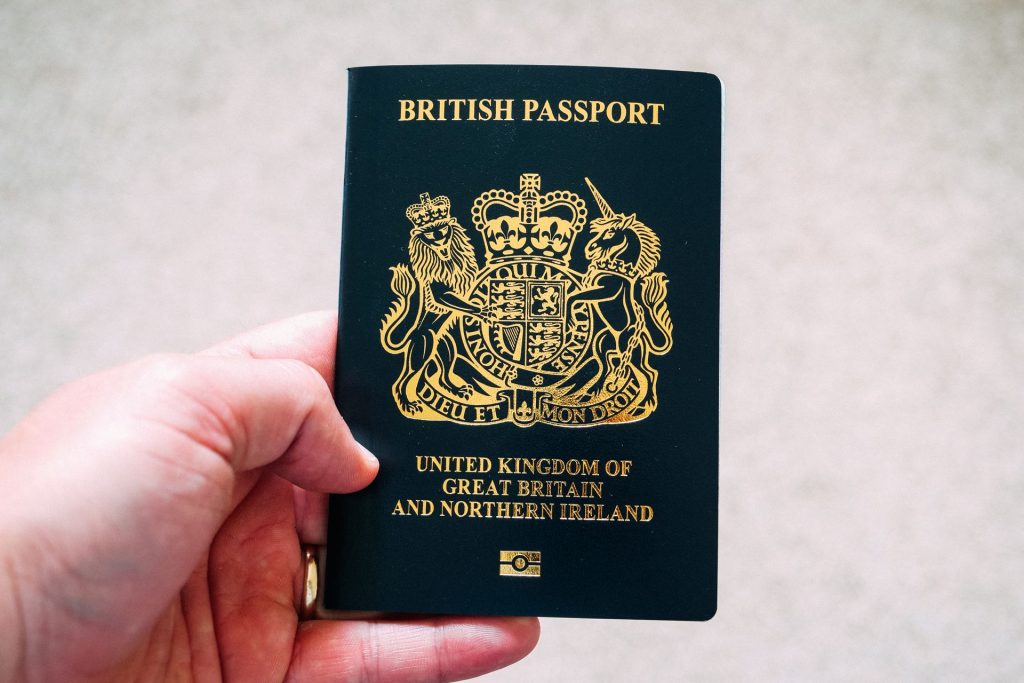
The safest approach is to have a good look at both the issue date and the expiry date well before you book, and certainly no later than a couple of months before you fly. UK passport renewals can take up to ten weeks, sometimes longer during busy periods, so there’s no room for leaving it to the last minute. If either date is going to be a problem, renew now rather than gambling on it. Border officials do check, and being turned away at the airport because your passport is a few weeks short is a miserable way to start a holiday that isn’t going to happen.
It’s also worth knowing that the way you pass through the border itself has changed. The EU’s new Entry/Exit System came into full effect in April 2026, which means that instead of getting your passport stamped, you now have your photograph and fingerprints taken electronically on your first entry. It’s quick once you’re used to it, but it can mean longer queues at passport control, particularly during busy periods, so allow a bit of extra time both on arrival and when you fly home.
Sorting Out Your Travel Money
Spain uses the euro, and Lanzarote is comfortably set up for card payments almost everywhere you’ll want to spend money. Restaurants, bars, supermarkets, the major attractions, excursion operators and car hire desks all take cards without a second thought, and contactless is widely accepted. You could get by on cards alone for most of a trip, but it’s still worth carrying some cash for the smaller things: a coffee at a village café, a few euros for the Teguise market stalls, tips, taxis, and the occasional small business that still prefers notes.

The bigger question is how you pay, because the way you use your cards abroad makes a real difference to what your holiday actually costs. Many standard UK debit and credit cards add a foreign transaction fee of around three percent to everything you spend overseas, plus a further charge if you use them to withdraw cash from an ATM. Spend a couple of thousand euros across a fortnight and those fees add up to a meal out you needn’t have paid for. The simple fix is to sort out a fee-free travel card before you go. Several UK banks and app-based providers offer accounts with no foreign transaction fees, letting you spend and withdraw in euros at the real exchange rate. If you travel abroad even occasionally, one of these is worth setting up.
Whatever card you take, there’s one trap to watch for at the point of payment. When you pay by card or use an ATM in Spain, you’ll often be asked whether you want to be charged in pounds or in euros. Always choose euros. Choosing pounds hands the currency conversion to the machine or the retailer, who will apply a poor exchange rate and quietly pocket the difference. This is called dynamic currency conversion, and it is never in your favour. Picking euros lets your own bank or travel card handle the conversion at a far better rate. It’s a two-second decision that can save you a surprising amount over a holiday.
Learn a Little Spanish
You can have a perfectly good holiday on Lanzarote without a word of Spanish. The resort areas are thoroughly used to international visitors, English is widely spoken in hotels, restaurants and attractions, and you’ll never be stuck. But learning even a small amount of Spanish transforms the way you’re received, particularly once you step away from the main tourist strips and into the villages, the local bars and the smaller restaurants where the island’s real character lives.
You don’t need to be fluent or anything close to it. A handful of basics goes a remarkably long way. Being able to say please and thank you (por favor and gracias), good morning and good evening (buenos días and buenas tardes), a simple hello (hola) and goodbye (adiós), and to ask for the bill (la cuenta, por favor) covers most everyday situations. Learn how to order a coffee, ask for a table, and say you don’t understand (no entiendo), and you’ll find that locals warm to you immediately. The effort matters more than the accuracy. Making the attempt, even clumsily, signals respect, and the response you get back is almost always friendlier for it. A free app like Duolingo in the weeks before you travel is more than enough to pick up the essentials, and it’s a pleasant way to build a bit of holiday anticipation too.

Learn Spanish
Buy on AmazonAs an Amazon Associate we earn from qualifying purchases.
What to Pack for the Lanzarote Climate
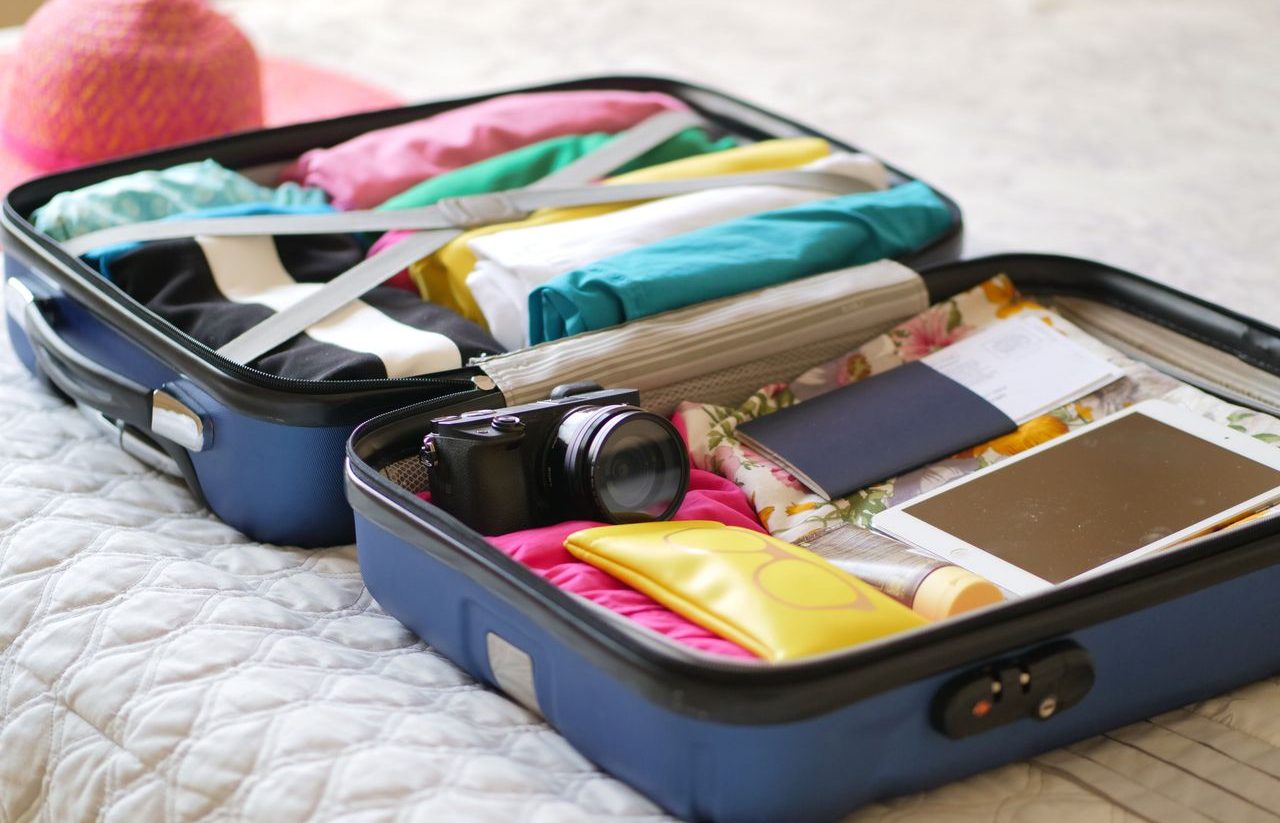
Packing for Lanzarote is refreshingly simple because the weather is so reliable, but it does depend a little on when you’re travelling. For most of the year the daytime approach is the same: light, comfortable clothing that keeps you cool under a strong sun. T-shirts, shorts, light trousers, summer dresses and breathable fabrics are the backbone of any Lanzarote wardrobe. Even in the cooler winter months of December through February, daytime temperatures sit comfortably in the low twenties, so you’ll be in short sleeves during the day for much of the year.
Where it catches people out is the evenings. Once the sun drops, particularly in winter and whenever the trade winds are up, the temperature falls away and the terraces cool down noticeably. A fleece, a light jumper or a hoodie for the evenings is essential rather than optional, and in the winter months you’ll want something a bit warmer still for sitting outside after dark. Pack a light waterproof too, especially between October and March. Rain is rare and rarely lasts long, but a passing shower is always possible in those months and a packable jacket weighs nothing.
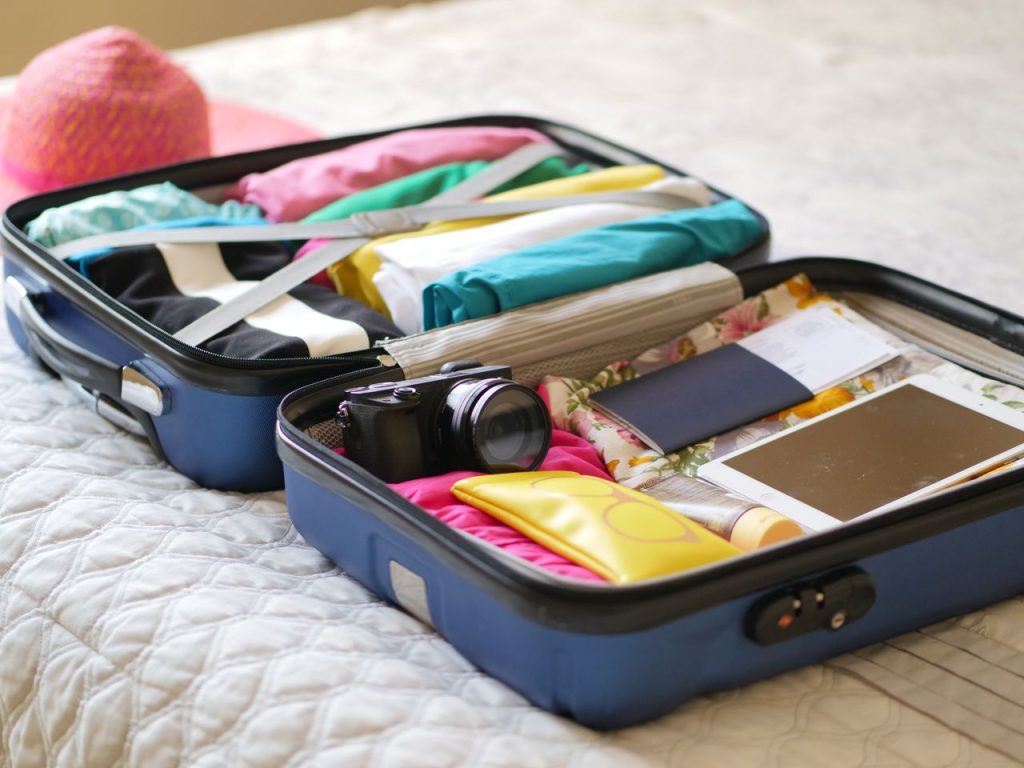
Beyond the clothes, a few things earn their place in every suitcase. Sunglasses that genuinely block UV rather than just tint the world are important, because the light here is far stronger than most northern European visitors are used to. A wide-brimmed hat or a cap protects your head and face during the hottest part of the day and is invaluable if you’re planning any walking. Comfortable footwear matters more than you’d think, because the volcanic ground across much of the island is sharp and uneven, and flimsy sandals won’t cut it on the trails or even on some of the rougher coastal paths. Bring swimwear, obviously, and ideally two sets so you always have a dry one. If you’re heading out in the evenings to the better restaurants, something smart-casual covers you, though Lanzarote is relaxed and nowhere expects you to dress up.

Ray Ban Aviators
Buy on AmazonWomens Ray Bans
Buy on AmazonAs an Amazon Associate we earn from qualifying purchases.
Pre-Book Your Excursions and Activities
There’s a balance to strike here. You don’t want to plan every hour of your holiday before you arrive, because half the pleasure of Lanzarote is the freedom to follow a whim and see where the day takes you. But the genuinely popular attractions and the most sought-after excursions do benefit from booking ahead, particularly during the summer, at Easter, over the October half-term and across the Christmas and New Year period.
Timanfaya National Park is the clearest example. It now operates a timed-entry booking system, and during peak periods the best slots fill days in advance, so securing your visit before you travel saves the frustration of turning up to find nothing available. The most popular catamaran cruises, the ferry crossings and organised trips to La Graciosa, the better diving experiences and any activity with limited daily numbers are all worth reserving ahead during busy weeks. Restaurants in the same category are worth a thought too. The standout places in Puerto del Carmen, Playa Blanca and along the marinas book up well in advance for the peak evening slots in high season. Book the handful of things you really don’t want to miss, then leave the rest of your days open. That way you get the certainty where it counts and the spontaneity everywhere else.
Arrange Car Hire or Airport Transfers
How you get around the island shapes your whole holiday, so decide early. Lanzarote is small, the road network is modern and well maintained, and driving here is genuinely easy, which makes hiring a car the obvious choice for anyone who wants to explore beyond their resort. The volcanic interior, the wine country, the northern villages, the quieter beaches and the best walking are all far more accessible with your own wheels, and distances are short enough that nowhere feels like a slog. Local hire companies are generally better value than the big international chains, and booking in advance secures both a better price and the car you actually want, particularly in peak season when demand is high.

If you’d rather not drive, a pre-booked airport transfer takes all the stress out of arrival. Rather than joining a taxi queue or working out a bus route after a long flight, a transfer means someone is waiting to take you straight to your accommodation. This is especially worth it for families, larger groups, anyone arriving late at night, or anyone staying in the more distant resorts.
Book it before you fly and it’s one less thing to think about when you land. Whichever option you choose, sorting it in advance is always cheaper and less stressful than trying to arrange something on the spot at the airport.
Understand the Lanzarote Weather, Sun and Staying Hydrated
The Lanzarote sun deserves respect, and this is the single most common way visitors spoil the first few days of a holiday. The island sits on roughly the same latitude as the Sahara, and the UV levels here are considerably higher than most people are used to at home, even on days that don’t feel especially hot. The cooling trade winds make things worse in one specific sense: because the breeze keeps you comfortable, you don’t feel the sun burning you, and it’s entirely possible to spend a pleasant afternoon by the pool and end up genuinely burnt without realising until the evening.
The answer is straightforward. Pack a high-factor sunscreen, at least factor thirty and higher for children or anyone fair-skinned, apply it properly and reapply it through the day, especially after swimming. Treat the hours between around eleven in the morning and four in the afternoon as the danger window, and seek some shade during that period rather than baking through it.
A hat and good sunglasses do real work here too. If you’re planning to walk or hike, start early in the morning before the heat builds, carry more water than you think you need, and remember that the volcanic landscape offers almost no natural shade.

Hydration matters more than people expect in a dry climate like this. The air is arid, you lose fluid faster than you realise, and it’s easy to become dehydrated without feeling especially thirsty. Drink water steadily through the day rather than waiting until you’re parched, aim for a couple of litres or more, and go easy on the alcohol during the hottest part of the day since it dehydrates you further. None of this is complicated, but getting it right is the difference between enjoying every day of your holiday and losing the first two to sunburn and a thumping head.
Keep All Your Booking Information in One Place
There’s a particular kind of holiday stress that comes from scrabbling through your email inbox trying to find a booking reference while a car hire clerk waits and a queue builds behind you. It’s entirely avoidable. Before you travel, gather everything in one place: flight details and booking references, your accommodation confirmation and address, car hire or transfer vouchers, excursion confirmations, travel insurance details and any important phone numbers. Whether you keep it all in a dedicated folder on your phone, a travel app, or simply printed out on paper, the point is that it’s together and you can lay hands on any of it in seconds.
A sensible belt-and-braces approach is to have both a digital and a paper copy of the essentials. Phones run out of battery, get lost or refuse to load an email at the worst possible moment, and a printed copy of your accommodation address and key booking references is a small insurance policy that costs nothing. Take a photo of your passport too, and keep it somewhere separate from the passport itself, which makes life far easier in the unlikely event it’s lost or stolen. Ten minutes of organisation before you fly saves a great deal of aggravation once you’re there.
Phones, Roaming and Electrical Plugs
Two practical bits of housekeeping here, both easy to sort before you go. The first is your phone.
Since Brexit, the guaranteed free EU roaming that UK travellers used to enjoy has ended, and whether you can use your normal data and minutes in Spain without extra charges now depends entirely on your provider and your specific tariff.
Some networks still include EU roaming at no extra cost, others charge a daily fee to use your allowance abroad, and a few charge full whack unless you buy an add-on.

The important thing is to check with your provider before you travel rather than assuming, because finding out via a surprise bill is an expensive way to learn. If your provider does charge, most offer a roaming bundle you can buy in advance, and turning off data roaming and relying on the widely available hotel and café wifi is always a free fallback.
The second is electrical plugs. Spain, and therefore Lanzarote, uses the two-round-pin European plug, type C and F, running on 230 volts. That’s the same voltage as the UK, so your devices themselves will work perfectly well, but the UK’s three-pin plugs won’t fit the sockets. You’ll need a European travel adaptor, and it’s worth taking two or three rather than one, because between phones, tablets, cameras, e-readers and everyone in the family wanting to charge something overnight, a single adaptor quickly becomes a bottleneck. They’re cheap, they weigh nothing, and they’re far easier to buy at home than to hunt down after you arrive. A little travel adaptor with a couple of USB ports built in is especially handy for charging several devices at once.
Understanding the Drinking Water
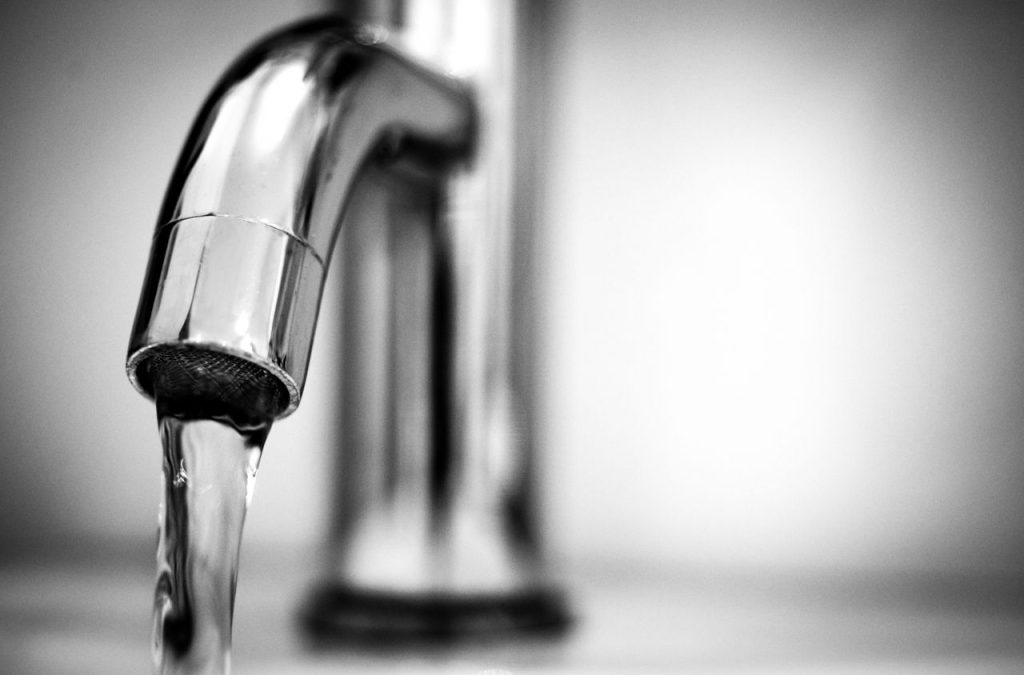
This one surprises a lot of first-time visitors, so it’s worth explaining properly. Lanzarote is one of the driest places in Europe, with no rivers, no lakes and virtually no natural groundwater.
Almost all of the island’s tap water comes from desalination, the process of removing the salt from seawater, which the island has been doing since 1964 when it opened the first desalination plant in Europe. The water this produces is treated to full European Union safety standards, tested regularly across the island’s mains network, and is technically perfectly safe to drink.
The catch is the taste. Desalinated water has a distinctive flat, slightly mineral flavour, with a hint of chlorine from the disinfection process, and most people find it noticeably less pleasant than the tap water they’re used to at home. For this reason, the overwhelming majority of both locals and visitors drink bottled water instead, and it’s cheap and available everywhere. Large containers of five or eight litres cost only a euro or two at supermarkets like Mercadona and HiperDino, and most self-catering visitors simply stock up on arrival and keep a big bottle going for the duration. The tap water is completely fine for brushing your teeth, washing, cooking and making tea or coffee, so there’s no need to be precious about it, and the ice served in bars and restaurants is made by specialist companies using filtered water, so it’s safe too. If you’re staying a while and want to cut down on plastic, a filter jug improves the taste considerably. But for a standard holiday, a few euros on bottled water is the simplest answer, and it’s what almost everyone on the island does.
A Final Word Before You Fly
None of this is difficult, and none of it should take the shine off the excitement of a holiday to come. The point of getting these things sorted in advance is precisely so that you don’t have to think about any of them once you arrive. Passport checked, money organised, a few Spanish phrases in your back pocket, the right things in your suitcase, your key bookings secured, your transport arranged and your paperwork in one place. Do the groundwork at home and you land on the island free to do the only thing that really matters, which is to relax, explore, eat well and enjoy one of the most rewarding islands in Europe. The volcanoes, the beaches, the wine country and the year-round sunshine will all be waiting. All you have to do is turn up ready.